

Languages and APIs
.NET (C#, ASP.NET), Python (FastAPI, Django), Java, Node.js, TypeScript, PHP, and Go — APIs and services with environments that keep unfinished work off the public URL.
We work across the stacks organisations already run — .NET, Python, Java, JavaScript, SQL, and the major clouds — and we pick what the job needs.
12+
Languages and runtimes
.NET, Python, Java, Node, TypeScript, PHP, and Go.
6+
Databases
PostgreSQL, MySQL, SQL Server, and the stores around them.
4
Cloud platforms
AWS, Google Cloud, Azure, and Firebase.
2
Mobile clients
iOS and Android — native or cross-platform.
.NET (C#, ASP.NET), Python (FastAPI, Django), Java, Node.js, TypeScript, PHP, and Go — APIs and services with environments that keep unfinished work off the public URL.

React, Next.js, Angular, Vue, and accessible HTML. ApexCMS when editors should own the copy.

Android, iOS, Flutter, and React Native — with a documented API behind the client.

AWS, Google Cloud, Microsoft Azure, Firebase, Linux, Docker, and TLS as default — including backups we have actually restored.

Licensed model APIs, evaluation sets, an audit trail, and a kill switch — on the backend you already run. ProMath is the product proof.
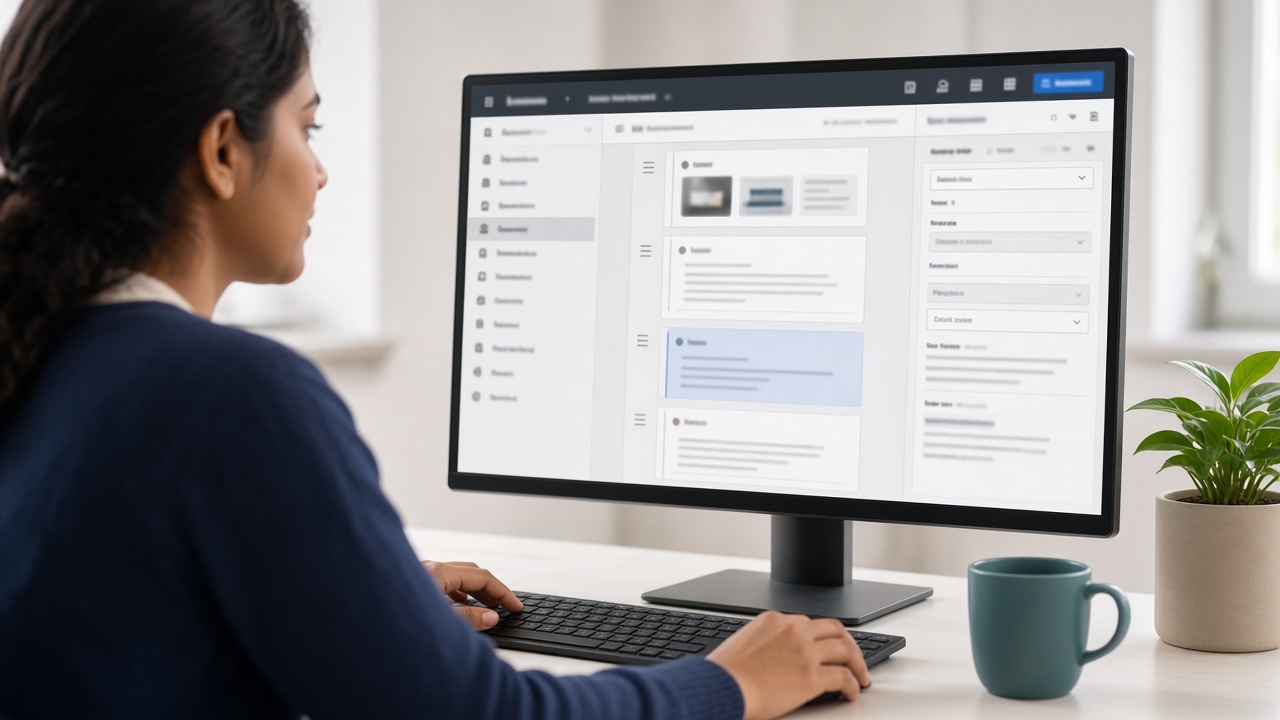
ApexCMS for brochure and product sites: blocks, types, draft, publish. This website is the live example.

Metadata, sitemaps, robots, and measurement you can turn off. AI may draft; an editor approves.
C#, ASP.NET Core, APIs and enterprise apps.
FastAPI, Django, scripting, and AI services.
Services and integrations beside existing estates.
TypeScript APIs and tooling.
When the organisation already lives there.
Typed front ends and Node services.
Primary SQL store for new products.
Widely deployed, well understood.
Beside .NET and Windows estates.
Document stores when the shape fits.
Cache, queues, and session.
Compute, storage, CDN, and production defaults.
GCP for teams already on Google.
Microsoft cloud, Entra, and .NET.
Auth, realtime, and mobile-first backends.
Sites and consoles editors can still use.
Native clients and store listings.
Cross-platform when one codebase is the point.
Containers when they simplify the deploy.
The usual production OS we stay responsible for.
We do not force a favourite stack onto a working organisation. If you already run .NET and SQL Server, we build there. If the product is Python and PostgreSQL, we build there. Cloud follows the same rule: AWS, Google Cloud, Azure, or Firebase when that is the honest home for the app.
What stays the same: a written scope, a private preview, and a live URL that only shows what you published.